

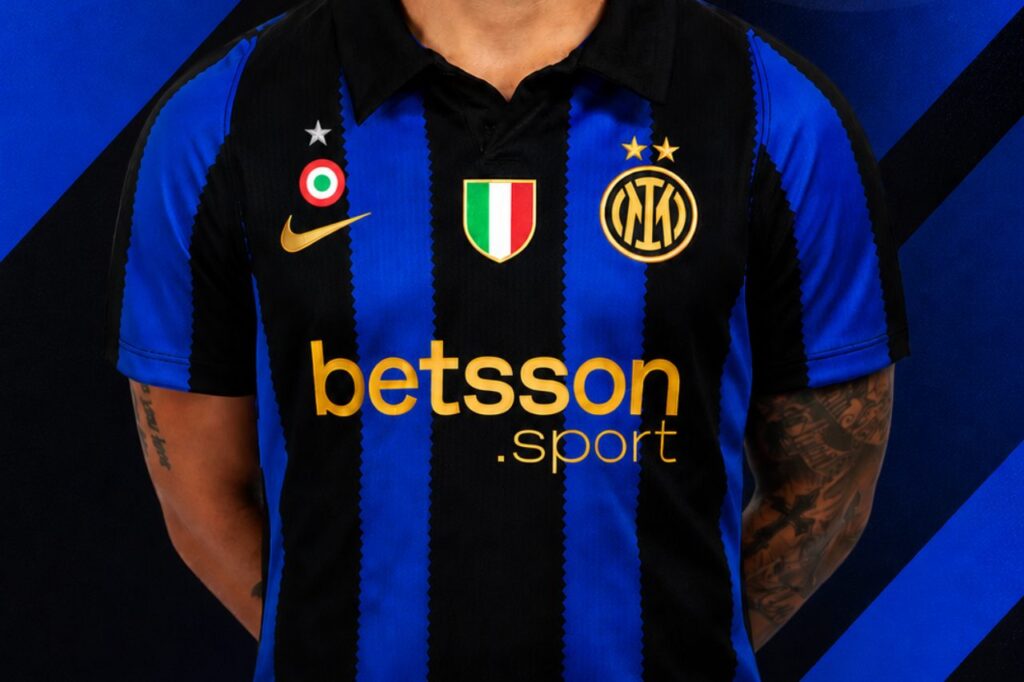
It has never been so easy to change channel, app, or form of entertainment. Just one click or a tap on your smartphone separates a football fan from dozens of alternative leisure options and matches from every league in the world, often hard to distinguish at first glance. In this scenario of virtually infinite football and media offerings, building loyalty to the jersey and one’s club has become both more difficult and more valuable than ever. It is no longer enough to offer 90 minutes of play per week: there needs to be a reason to stay attached to the club colors, constantly renewed over time, that goes beyond the single result on the field or the single matchday.
Why the infinite offer weakens spontaneous loyalty
When the available options were few and local, supporting your hometown team was an almost automatic process: changing teams or following other sports required effort, often not justified by the potential enjoyment. Today, the logic has been reversed. Comparing highlights on social media, watching foreign tournaments, or choosing an alternative streaming platform takes just a few seconds, and this drastically lowers the natural threshold of loyalty, especially among the new generations. Football clubs can no longer rely on inertia or generational tradition of the fan: they must actively build concrete reasons to be chosen again, every single week.
The elements on which fan loyalty is built today
Several factors, more than just winning on the weekend, affect a football club’s ability to retain its supporters:
- The consistency of the experience offered, from the first entry into the stadium to interactions on the official apps
- Transparency in communication, especially regarding ticket prices, season tickets, and membership conditions
- The sense of recognition towards those who constantly return to support the team, at home or away
- The speed with which any ticketing problems or issues with the official store are resolved
- The perception of sharing similar values between the club’s history and its fan community
These elements matter more than the single purchase of a famous player, because over time they build an emotional relationship that goes beyond the simple economic or sporting relationship between club and fan.
The role, and the limits, of initial incentives
Many sectors linked to sports and entertainment use first-contact incentives to convince a new user or fan to try a service: discounts on the first ticket in the club’s e-commerce, free trial periods for the team’s TV, or perks on match-day apps. Even in related fields subject to stricter rules, such as the world of gaming and sports betting in Italy, there are informational proposals about welcome initiatives, such as the winnita no deposit bonus, whose stated purpose is more informative than promotional, given the regulations that strongly limit advertising in this sector in our country. In general, however, whatever the sports or entertainment sector, an entry incentive alone rarely builds lasting passion: at most, it opens a door that must then be kept open with the quality of the overall experience.
Strategies that go beyond simple economic advantage
To turn an occasional fan into a lifelong subscriber, many football clubs focus on levers other than just the ticket price:
- Membership and recognition programs that reward attendance at the stadium, not just the purchase of merchandise
- Personalized communication, based on favorite players, the supporter’s age, and habits
- Official communities and fan clubs with direct dialogue spaces between managers, former players, and fans
- Exclusive behind-the-scenes content (documentaries, interviews, training sessions), capable of generating value even outside the 90 minutes of the match
- A welcome and support service for fans perceived as human and close, not just as a bureaucratic procedure
It is precisely these elements, harder to replicate than a simple ticket discount, that make the difference when the competition from other sporting events is just a click away. An economic offer can be copied by another club or event in a few days; an authentic identity relationship, built over time, is much harder to replicate.
Time as the true ally of sporting passion
If the abundance of content has made spontaneous loyalty more fragile, it has also made the value of what endures over time and fluctuating results more evident. A fan who continues to renew their subscription or follow the team after trying numerous entertainment alternatives is communicating something important: they have found an identity value that goes beyond the price or the result on Sunday. Building this type of bond requires patience, real analysis of the audience’s needs, and the willingness to listen to the fans when something doesn’t work, instead of just chasing every single trend of the moment.
Conquering football loyalty
In a world of infinite choice, loyalty to club colors is no longer born just out of habit, but must be built and cultivated day after day. Initial incentives and promotional campaigns can capture attention, but it is the consistency of club management, combined with transparent communication and genuine respect for its history and audience, that determines whether a fan will choose to stay loyal to the club forever or move on. The football clubs that will stand out in the coming years will be those able to treat every match and every interaction with fans as an opportunity to confirm the goodness of the fan’s choice.
