

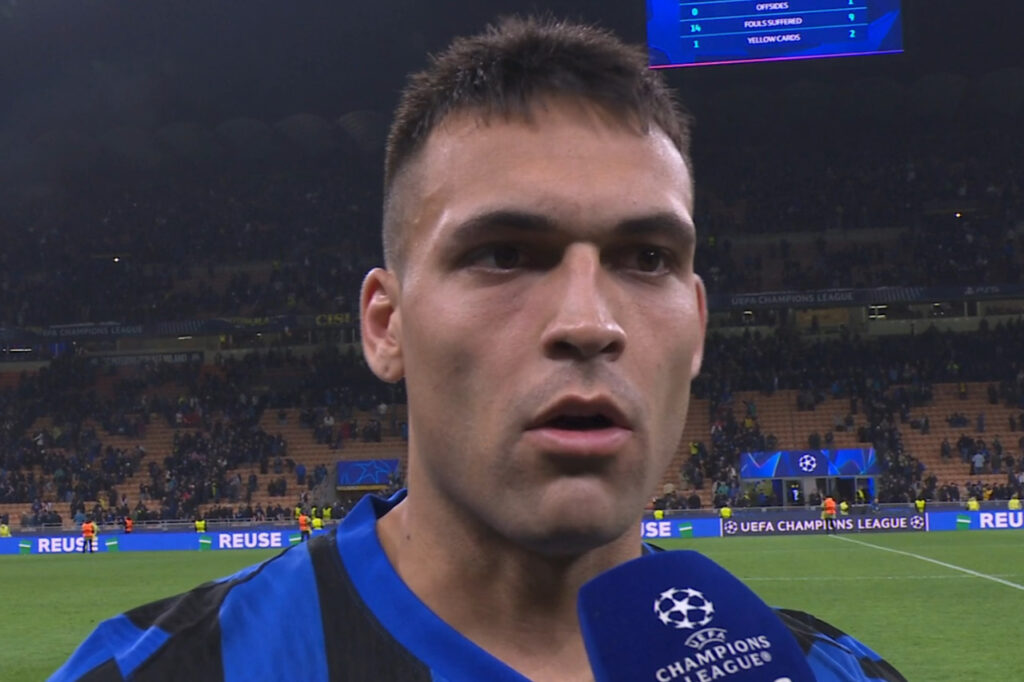
At least six muscle injuries were recorded at the resumption of the league and European cups after the September break: this is the picture outlined by the Corriere dello Sport in an editorial by Gallo, who turns the data into an indictment against those who govern football. Among the cases mentioned are those of Lautaro Martinez, Koné, Gabbia, Diao, Orsolini, and Neres.
“The wave of muscle injuries at the competitive restart after three weeks spent traveling the world with the national team jersey or training at a slower pace wasn’t even being bet on,” the article reads. “The twenty-day September break was the latest madness devised by the football bosses, who can no longer fit an abnormal number of matches into the calendar. And they try to pull a solution out of a hat, hoping it will turn out to be magical. They proceed by trial and error, and it shows. But it’s a massacre that continues at the players’ expense and reverberates on the clubs’ finances. It had never happened before that so few matches were played between the league and European cups, and then we’d say goodbye for twenty days.”
The editorial then broadens the reasoning to the political level, targeting the stance of the clubs. “The political point seems to us the resignation of the clubs, who struggle to understand that no one will protect their assets if they don’t do it themselves,” the article continues. At the end of September, the general assembly of the EFC — European Football Clubs, the body formerly known as ECA — was held, without, according to the newspaper, any positions emerging on the calendar or the health of the athletes.
“The slaughter can continue. As if it were inevitable. The ongoing muscle injuries and consequently the wear and tear on the athletes are now considered a physiological side effect of contemporary football,” the editorial concludes, leaving open the question of who should take responsibility for changing course.
 CONTINUE READING