

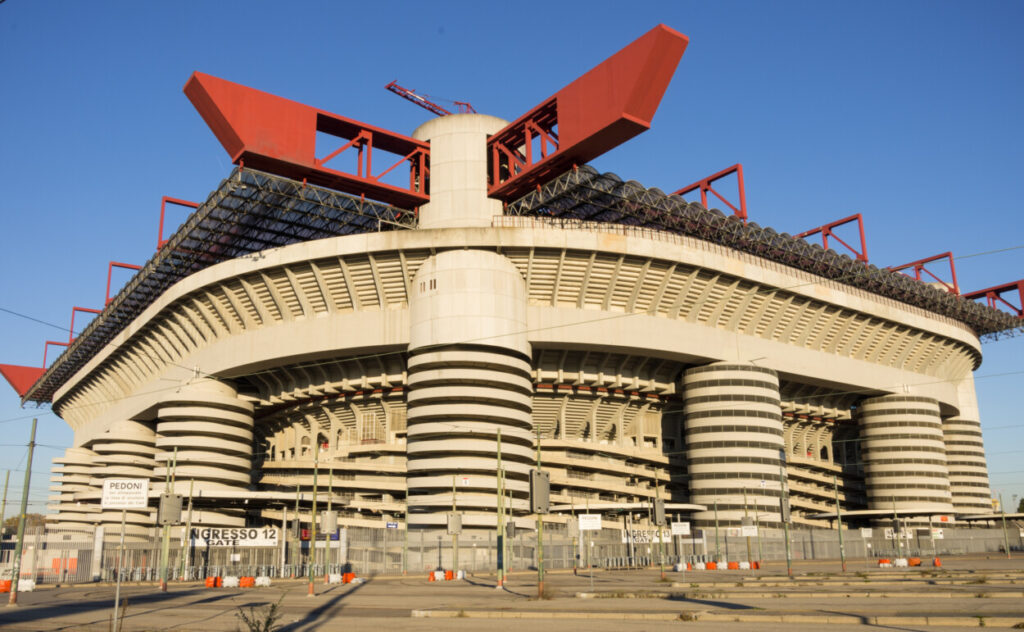
A positive result of 35.4 million in the 2024-2025 budget on one side, losses of about 130 million on the other. Sunday’s match at San Siro between Inter and Como also brings to the field two profoundly different economic management philosophies, as highlighted by an analysis published by Gazzetta dello Sport.
The Nerazzurri’s financial path started from a critical situation. In 2019, the club’s revenues were around 200 million euros, while in the 2020-2021 season losses reached 245 million. In 2024, net equity was still negative by 215 million, after accumulating about 395 million in losses over three seasons. The entry of Oaktree, with consequent interventions on the debt structure and more careful expense management, has progressively changed the picture. In the most recent financial year, the 560 million euro revenue threshold was surpassed, allowing the club to record a positive balance after two consecutive seasons of losses; this growth was supported by on-field successes and improved commercial income.
On the Como side, the picture is different. In the 2024-2025 season, Como recorded losses of about 130 million, with a production value of about 62 million and personnel costs close to 55 million. These figures reflect the ownership’s choice to quickly strengthen structures and the squad, entrusted to Fabregas, also focusing on commercial and infrastructural investments. During the first part of the 2025-2026 championship, the Como club continued to allocate significant resources to strengthening the squad.
The two clubs therefore represent opposite strategies but are united by the ambition to remain competitive at the highest levels. Inter seeks to demonstrate that it is possible to compete with more sustainable management, while Como aims to translate current investments into sporting results and future revenues.
 CONTINUE READING
