

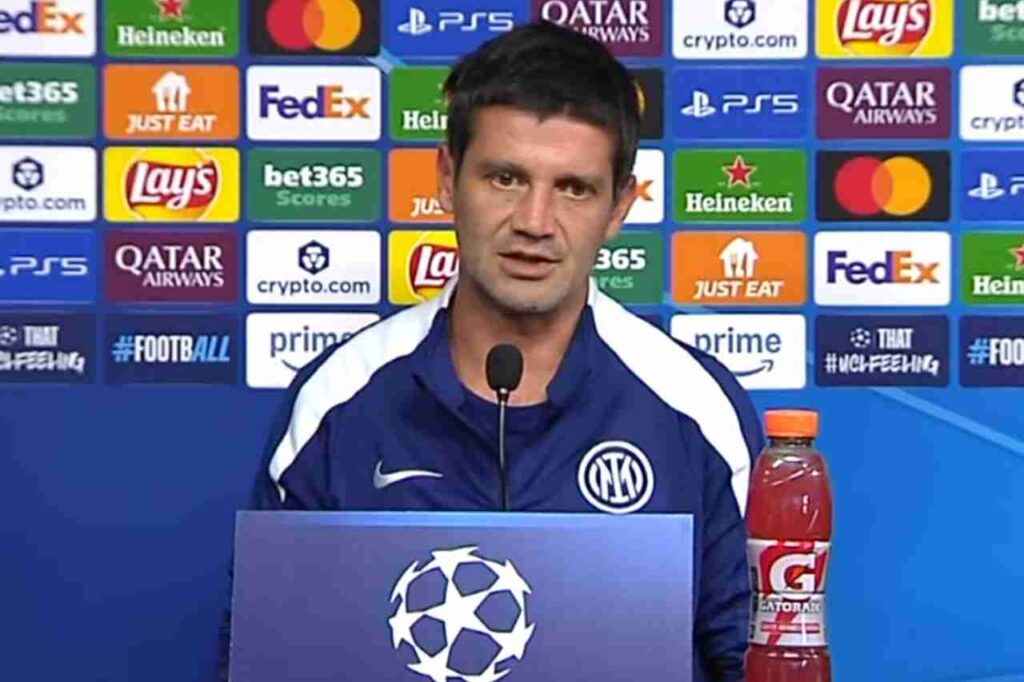
The summer transfer market is proceeding slowly for Inter, but the landscape in Serie A is no different. Apart from Como, which is particularly ambitious, all the clubs seem to be moving cautiously and making few investments. The question to ask is whether it is Milan, Juventus, Napoli, and Roma that need to close the gap with Chivu‘s team, or if it is Inter that needs to increase its lead in the league.
It is not only the Nerazzurri club showing indecision in strategies and negotiations: the entire Italian league is proceeding slowly, with little capital available and lacking major projects. The low-profile market has become the norm, a consequence of football that is increasingly poor and less supported by president-fans ready to invest out of passion. That phase now belongs to the past, while today almost all the owners in Italy are mainly focused on profit, with cost containment as the absolute priority.
In the midst of this situation, several coaches like Spalletti and Gasperini openly express their discontent over reinforcements that do not arrive and squads that struggle to take off. Yet Inter, led by a pragmatic and capable coach, maintains its leadership. This is the current certainty, which can be confirmed at the end of July and probably also at the end of this transfer window, which so far has been short on big moves. Nerazzurri supremacy will remain until proven otherwise.
While every decision on Viale Liberazione is made with caution, the Marotta–Oaktree axis has remained true to a fundamental aspect of its policy: no superstars are bought, assuming they exist, but above all, the most representative players are not sold. The pillars remain, maintaining a footballing and personal value that the traditional Serie A rivals can only watch from afar. The positive atmosphere encourages players to stay, without seeking new destinations.
In a summer when the heat does not warm up the negotiations, which everywhere remain cold and stuck at the starting blocks, Inter risks remaining similar to itself in terms of squad turnover and strengthening. The club could lose some unpredictability, but the directors have understood that the little money available is a rare commodity, not to be squandered and to be turned into gold with great intuition. For the Nerazzurri and for everyone in Italy, it is now the market of opportunities, of good relationships that avoid bad purchases and irrational spending. Avoiding them is already a success, a winning system.
 CONTINUE READING
